During National BIPOC Mental Health Awareness Month, we’re recognizing the unique strengths, challenges, and barriers that shape mental health in communities across Oregon.
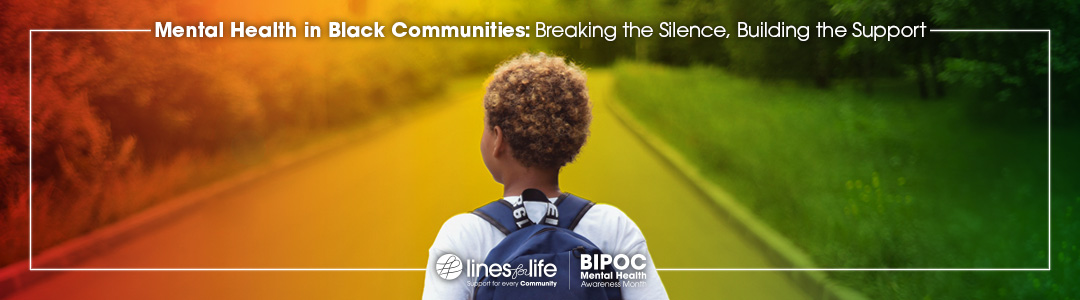
For generations, mental health has been a topic kept inside the family in many Black households. It’s usually not discussed openly, let alone with a stranger in a therapist’s office.
Many Black people are less likely to seek professional care, in part because of the mistrust built over decades of harm at the hands of medical institutions. Finding a therapist who shares the same culture and lived experience can be difficult, since there aren’t enough Black therapists in the country. And stigma remains a dominant obstacle, with a common belief in many communities that mental health struggles simply are not something you talk about.
None of these barriers are permanent. Providers who reflect the communities they serve, people who look like and understand the lived experience of those they are helping, build the kind of trust that professional credentials alone often cannot. Community connection is its own form of care, reducing isolation and creating spaces where neighbors can lean on each other. Wraparound support that connects people to food access, legal help, and work support alongside mental health services addresses the stressors underneath the stress. And institutions willing to sit at the table with communities, rather than simply delivering services to them, build the trust lasting change requires.
This approach is reflected in two Lines for Life programs working directly in Black communities across our region.
Boys to Men School Group
Our Boys to Men school group began when a teacher’s aide at Boise-Eliot Elementary School saw a news story Lines for Life consultant and advisor for curriculum and engagement, Darryl Turpin did on Black youth mental health. She reached out, sharing that many of the boys she worked with were struggling and asking for someone to come talk with them. Within the first few sessions, the boys opened up about trauma they had experienced, supported, and uplifted each other along the way. The group builds self-confidence and pride, develops emotional resilience, practices positive affirmations, and teaches the power of respect. The goal is to walk alongside these boys through their entire school journey, which is why the program has expanded to Harriet Tubman Middle School, with high school groups planned next.
Barbershop Conversations
Lines for Life’s Barbershop Conversations program meets people where community already gathers. The barbershop and hair salon have long been hubs in Black communities, a place where people talk and connect, and where clients often open up to their barber or stylist about what is really going on in their lives. We train barbers and stylists in Mental Health First Aid so they can recognize when a client is struggling and connect them to the right resources. Once a shop or salon completes the eight-hour training, we host a celebration there, honoring the barbers, stylists, and owner for the time they invested. During the gathering, we have an open conversation with everyone in the shop about how their community views mental health. Anyone who wants to share their own experience is welcome to. Each shop that completes the training receives a plaque recognizing it as a safe space for the Black community to talk about mental health.
Building Support for the Long Term
Programs like these will not undo generations of mistrust overnight. But they show what is possible when support is built by and with the community it serves, rather than handed down from the outside. Every conversation is a step toward a future where seeking help is not something to hide, but something to be proud of.
During National BIPOC Mental Health Awareness Month, we celebrate the strength of communities leading this work and reaffirm our commitment to ensuring culturally responsive mental health support is available to everyone who needs it. To learn more about our culturally specific programs and trainings, visit our equity programs page.