
Each year, Lines for Life reflects on the progress made toward building a more compassionate, accessible, and equitable behavioral health system. Our 2025 Annual Report highlights work moving beyond awareness and into action. Work that addresses long-standing gaps in access, representation, and trust.
One of this year’s most meaningful areas of impact comes from our Equity and Cultural Engagement team, whose efforts in 2025 focused on strengthening Oregon’s behavioral health workforce and expanding culturally responsive mental health support for communities historically underserved. Two initiatives, the Custody to Counseling Pipeline and Charlas, stand out as powerful examples of how centering lived experience, cultural responsiveness, and workforce equity in our work reimagines what the future of care can look like.
Custody to Counseling Pipeline: Building Equity in Oregon’s Behavioral Health Workforce
As highlighted in our 2025 Annual Report, Oregon continues to face a severe behavioral health workforce shortage. One shaped by years of underinvestment and systemic barriers that have excluded people of color and justice-involved individuals from entering the field.
In response, Lines for Life launched the Custody to Counseling Pipeline (C2CP), an innovative workforce development initiative created in partnership with the Oregon Department of Corrections, leading addiction treatment providers, the Mental Health and Addiction Certification Board of Oregon, and United We Heal.
C2CP creates a supported pathway for adults in custody to earn the education, training, and supervised clinical experience required to become Certified Alcohol and Drug Counselors (CADCs). This approach addresses two urgent needs at once: expanding Oregon’s behavioral health workforce and opening doors to sustainable, meaningful careers for people historically shut out of the profession.
“We are helping meet a critical workforce need while delivering adults in custody with the opportunity they’ve always hoped for,” said Martin Lockett, Director of Equity and Cultural Engagement.
The first cohort will begin in 2026 at Oregon State Penitentiary, with 20–30 participants graduating into Oregon’s behavioral health workforce each year. Over time, the program will expand to additional facilities statewide, increasing access to counselors whose lived experience strengthens trust, reduces stigma, and supports long-term recovery.
Charlas: Culturally Grounded Spaces for Healing
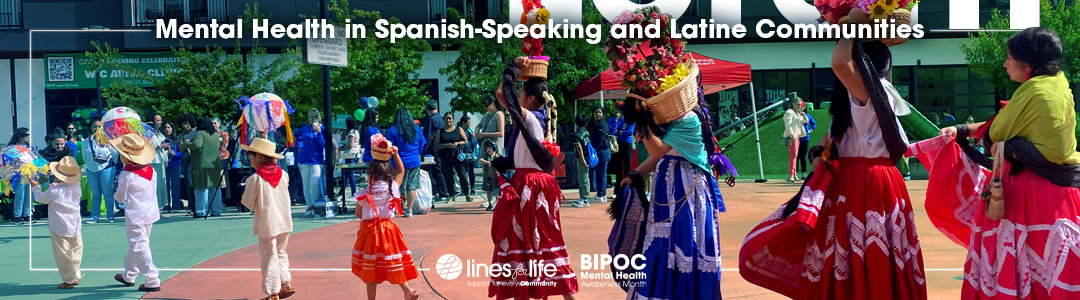
Another key highlight from the 2025 Annual Report is the Charlas, a culturally grounded mental health initiative designed to support Spanish-speaking communities across Oregon.
Developed in partnership with Raíces de Bienestar, Charlas, Spanish for “talks,” are informal, community-based conversations that create safe and welcoming spaces to discuss mental health, substance use, and overall well-being. Led by trained community health workers who reflect the communities they serve, Charlas break down stigma while providing practical tools and culturally relevant support.
In 2025, Charlas reached hundreds of participants statewide, many of whom shared that these conversations opened doors to understanding and support they had not previously accessed. As one participant noted, “The information was presented in a way that was simple and informative and brought awareness into my community.”
This past year also marked an expansion of Charlas into new regions, with sessions tailored to the unique stressors faced by immigrant and farm working families including displacement, language barriers, and intergenerational trauma. These efforts are planting seeds for lasting community wellness and future leadership in bilingual, bicultural behavioral health care.
Reflecting on Impact and Looking Forward
The Custody to Counseling Pipeline and Charlas reflect the core focus of Lines for Life’s Equity and Cultural Engagement work highlighted in our 2025 Annual Report: dismantling systemic barriers, increasing representation in the behavioral health workforce, and building culturally responsive pathways to care.
These initiatives are more than programmatic successes. They are signals of what’s possible when equity, lived experience, and community partnership guide our work. As we look ahead, this progress informs how Lines for Life will continue showing up for communities across Oregon with care that is accessible, affirming, and rooted in dignity.
To learn more about Lines for Life’s work last year, read our 2025 annual report.